

Hacking a DAO Without Breaking the Code
Protocol hacks don't always require software bugs. In DAOs, attackers can use flash loans, voter apathy, and legal proposal execution to drain treasuries simply by winning elections.
8 published articles
Protocol hacks don't always require software bugs. In DAOs, attackers can use flash loans, voter apathy, and legal proposal execution to drain treasuries simply by winning elections.
Polymarket is hailed as a neutral truth engine outperforming polls. But prediction markets don't aggregate democratic crowd wisdom; they aggregate capital-weighted order flow, trade on insider leaks, and rely on human oracle disputes.
Bitcoin addresses contain no names. So why are blockchain transactions sometimes easier to trace than bank records? The answer lies in what happens when identity arrives years after the activity.
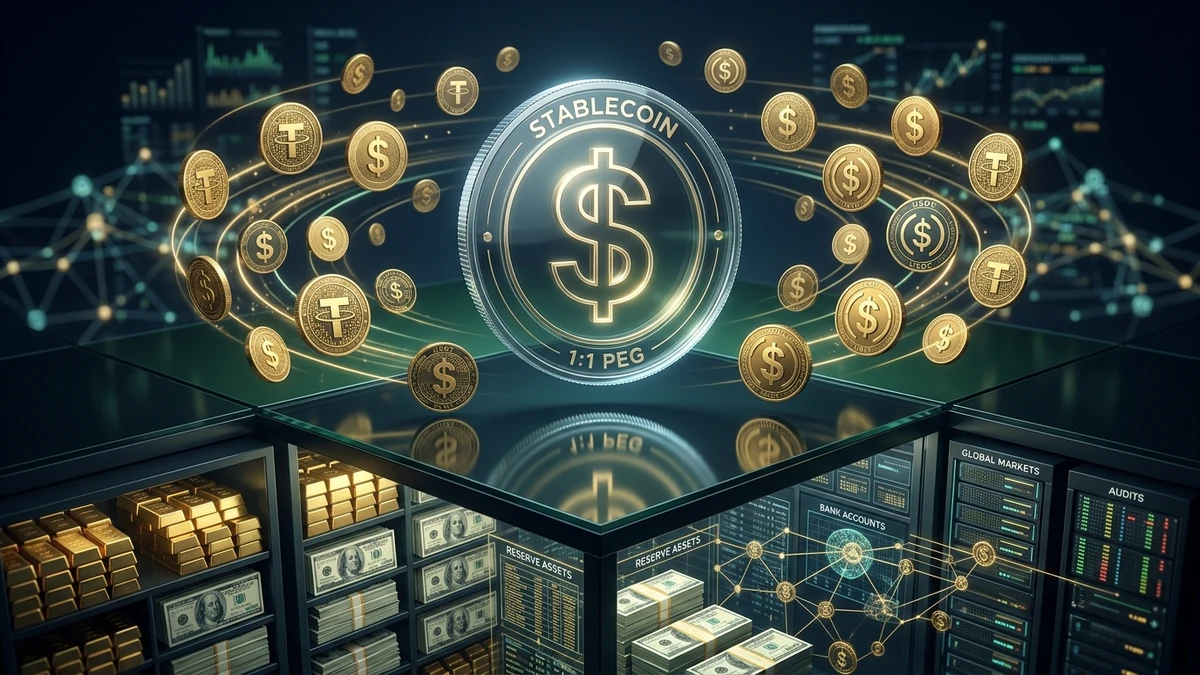
Behind every stablecoin token sits a portfolio of short-term government debt and a primary redemption market. Here is how private issuers capture billions in Treasury yields while acting as global shadow banks.
When software models receive delegated wallet authority, spending becomes a callable function. Here is how x402 micropayments, stablecoins, and policy engines create economic rails for autonomous AI agents.
When crypto protocols reward observable usage with valuable tokens, users begin optimizing the measurement itself. Here is how Sybil farming, Goodhart's law, and forensic graph analysis turn user metrics into an economic game.
Smart contracts are deliberately blind to the outside world to preserve blockchain consensus. Here is how decentralized oracle networks, TWAPs, and game-theoretic incentives decide what counts as external truth.
When you click Swap on a decentralized exchange, your transaction sits in a public mempool before block inclusion. Here is how specialized bots, transaction ordering auctions, and MEV-Boost turn your slippage setting into a multi-million dollar market.